RESEARCH
PRIMARY STRUCTURES
JURY

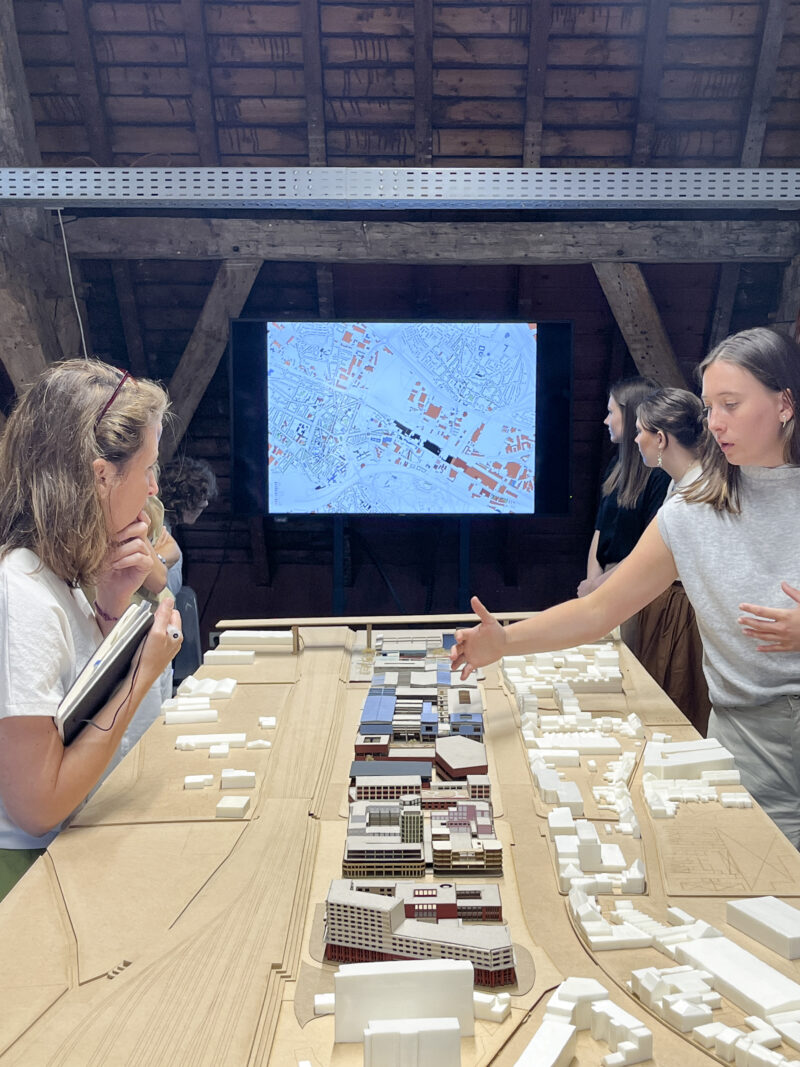
Beneath the massive viaduct of the R0 ring in Vilvoorde, along the Schaarbeeklei, lies a peculiar stretch of cityscape. A long strip unfolds—occupied by a scattered mix of small-scale industries, garages, and a gas station—but one structure dominates it all: the Renault Factory. With its 1.2 kilometers length, this massive volume is less a building than a piece of urban infrastructure, echoing the bridge that crosses it. Since its closure in 1997, the structure has stood largely untouched, neglected for over two decades.
Its surroundings, by contrast, have undergone rapid transformation: new developments like 4 Fonteinen and the CAT-site are symbols of contemporary urban growth. Yet, the factory resists this pace. It is not a blank slate, not a tabula rasa. The Renault Factory carries history, memory, and urban presence—it remains deeply rooted in the mental map of Vilvoorde. Now, the City of Vilvoorde is beginning to plan for the future of this site and has invited us to contribute. Our studio will take up this challenge. 
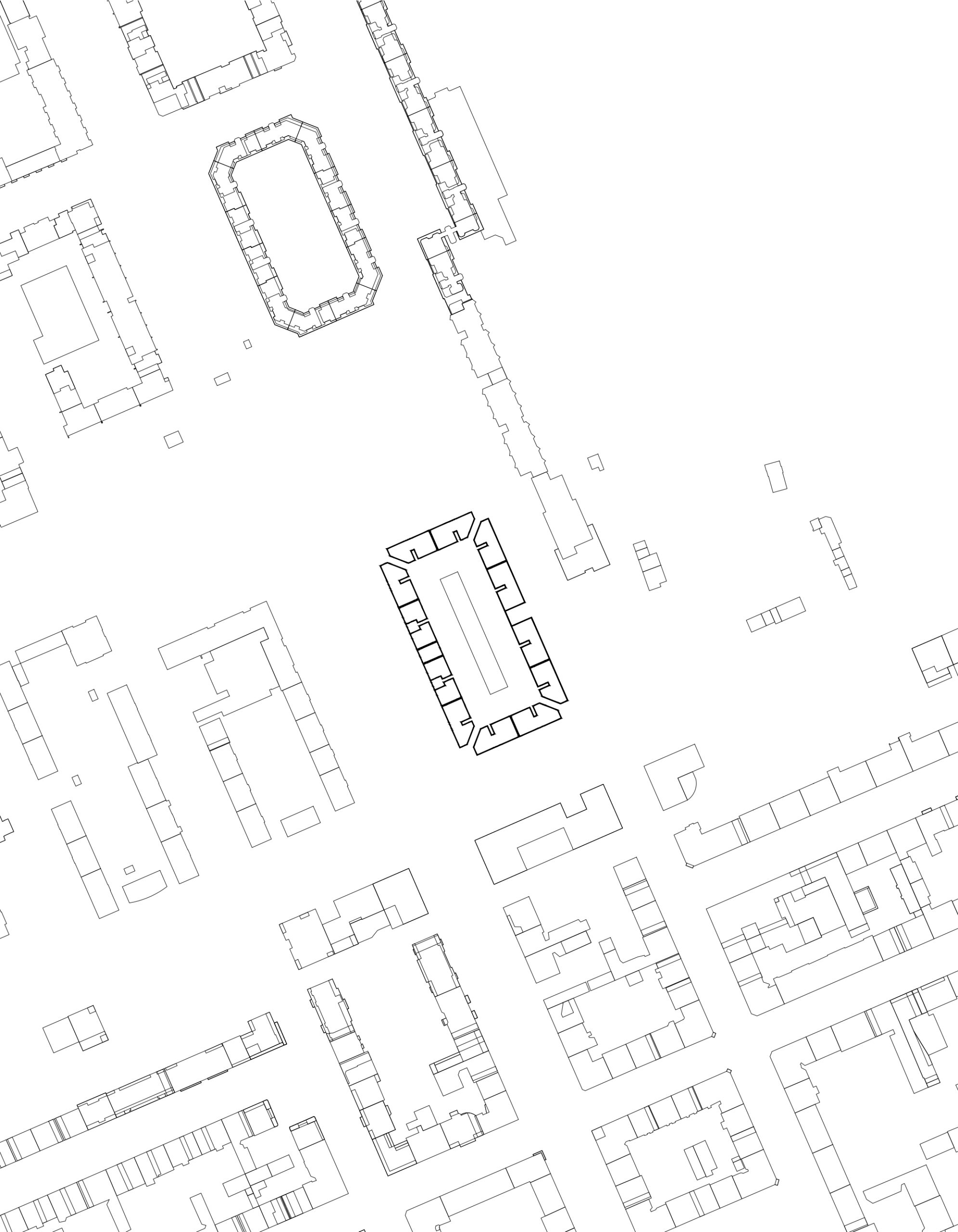
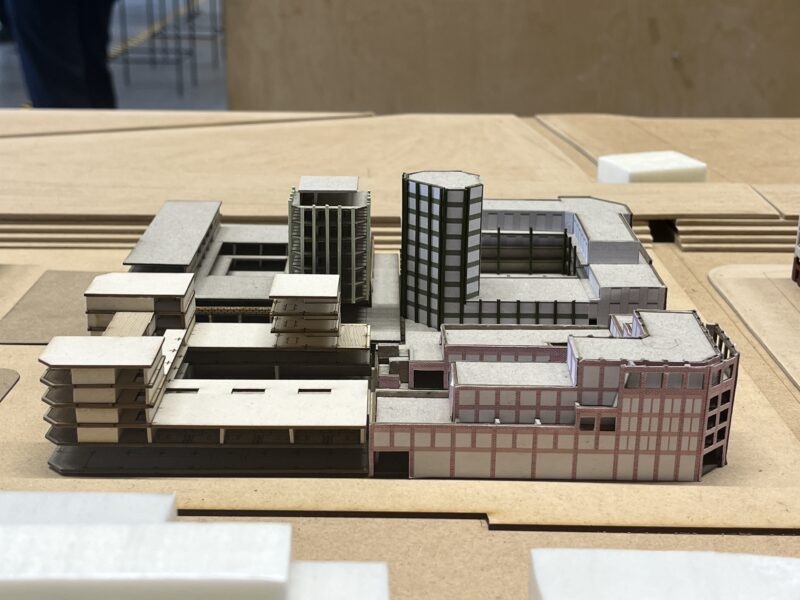
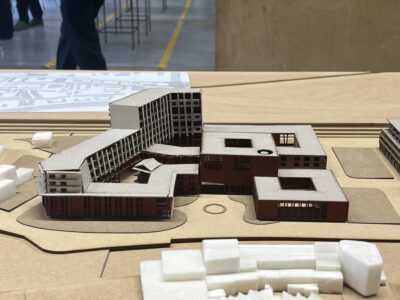
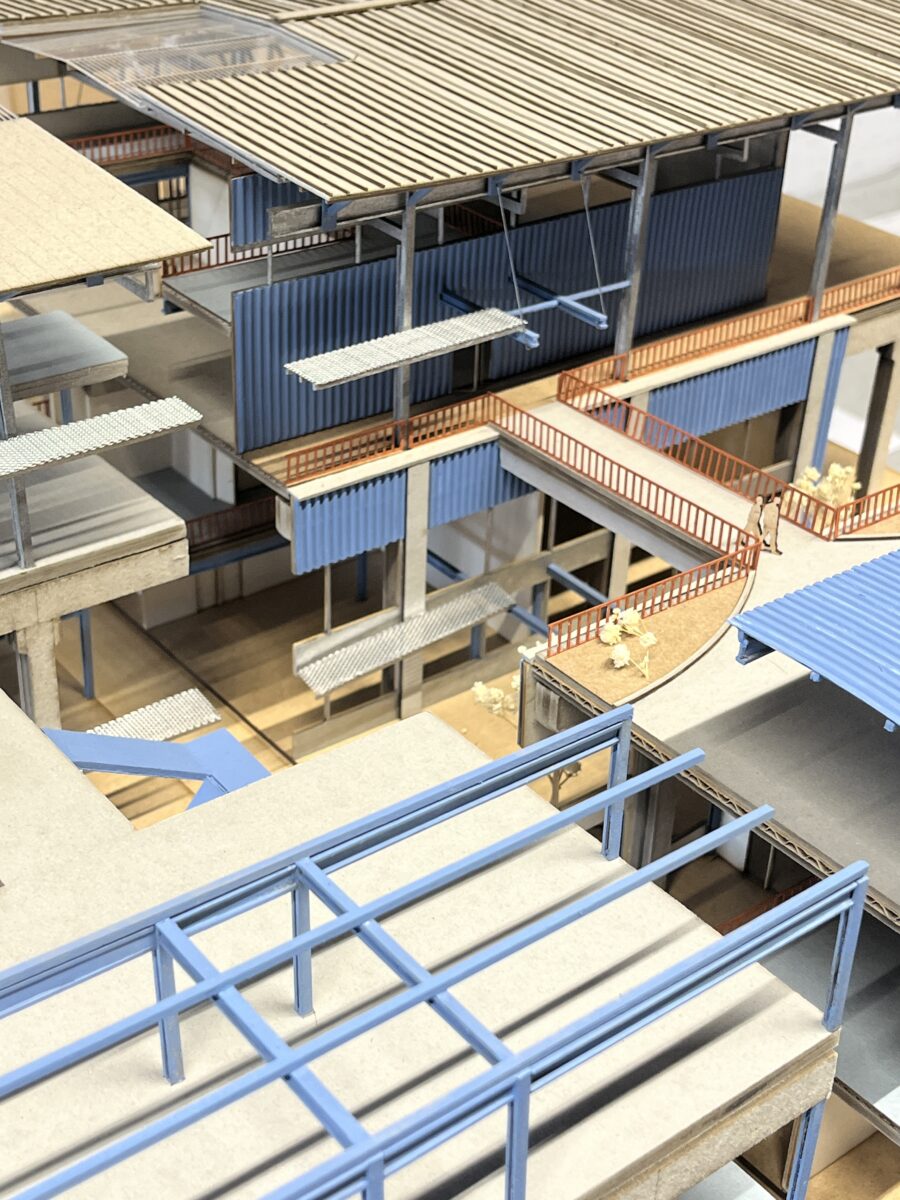
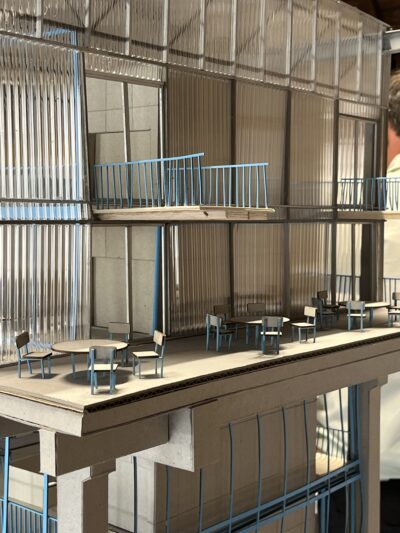
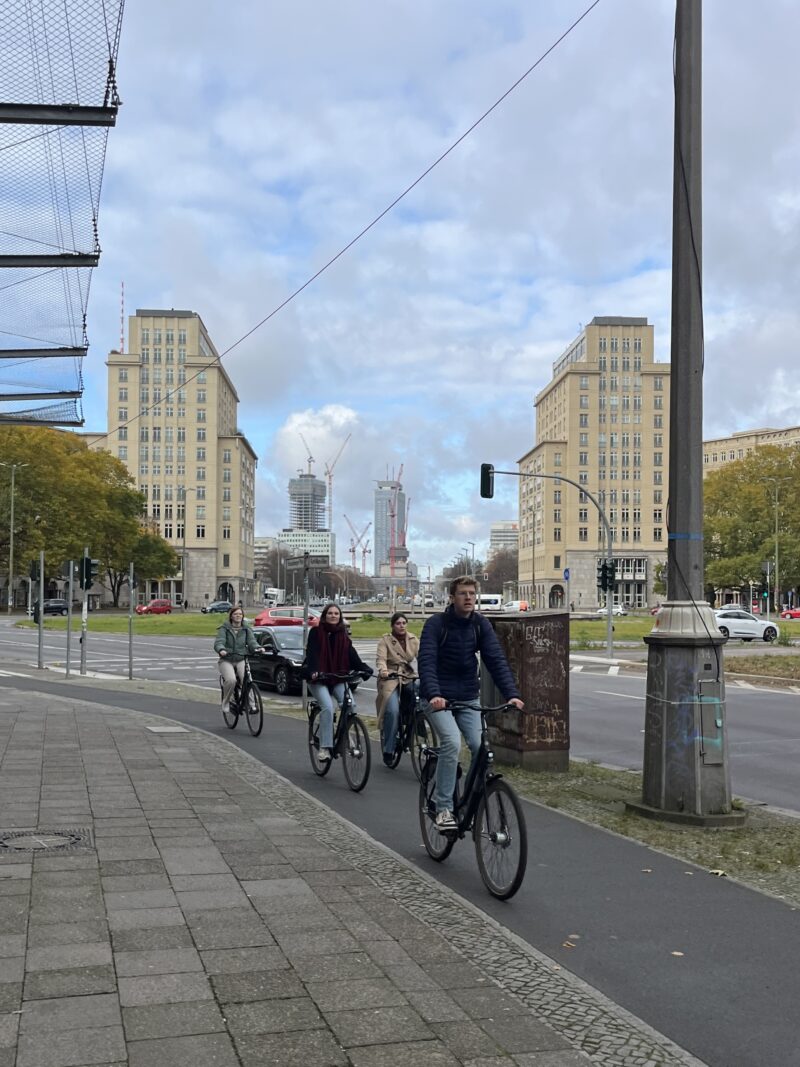
We will examine this urban artifact through the lens of Aldo Rossi, who defined such artifacts as primary elements: forms that contribute not just to the physical shape of the city, but to its cultural and historical identity. Following this idea, the Renault Factory and its strip will be the focus of a speculative transformation, where memory and reuse will guide us looking for new forms of inhabitation. Following the masterplan in development we will project the typology of a diverse range of building blocks onto the site to reconnect it to the urban tissue. We start by investigating the building block experiments in the city of Berlin.
RESEARCH



PRIMARY STRUCTURES