RESEARCH
PRIMARY STRUCTURES
JURY

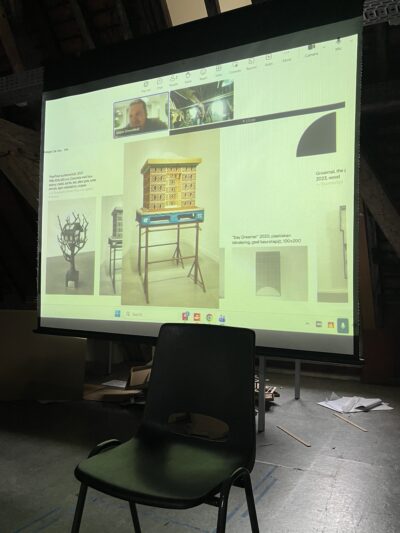
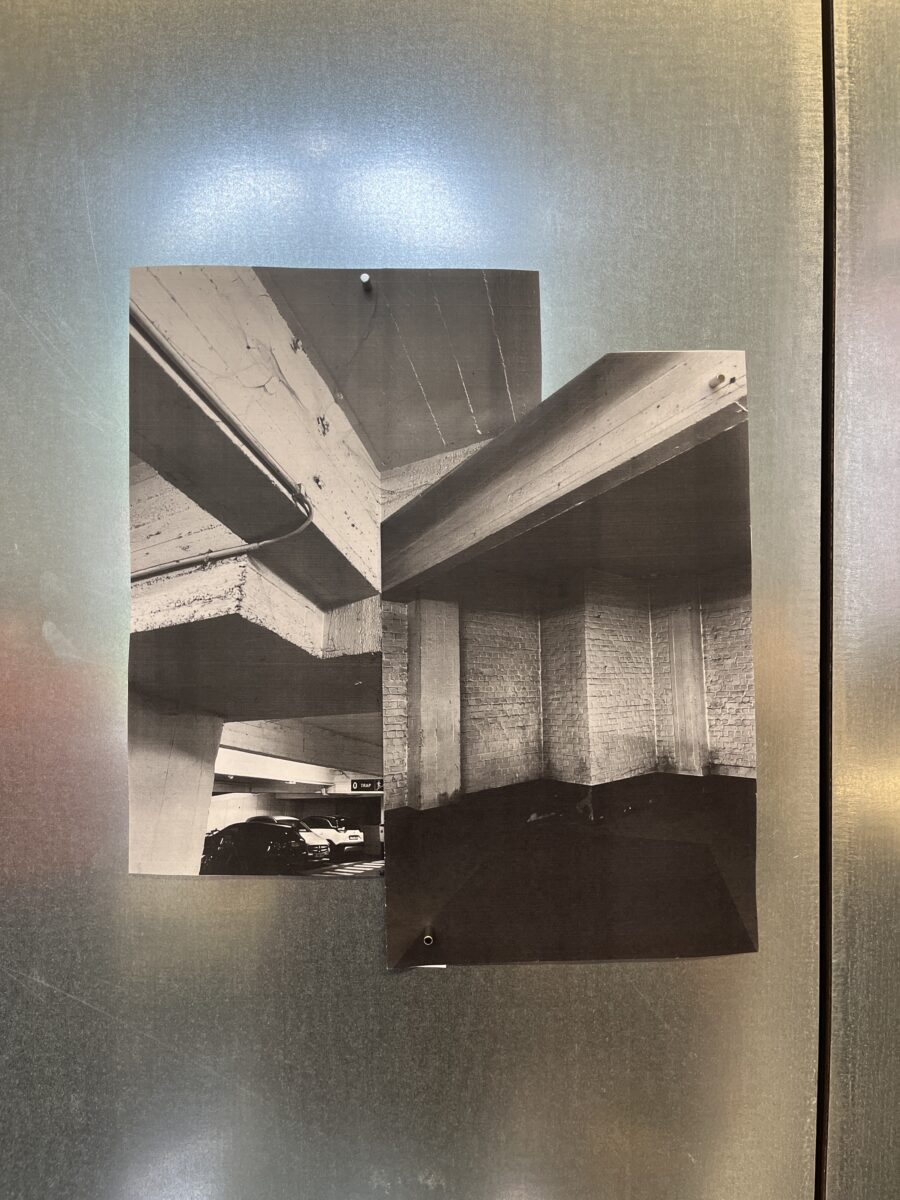
Since the early 1990s, artist Rita McBride has explored the typology of the parking garage through a series of small-scale bronze sculptures. Her works — such as Parking Lot 2 (2011) and Parking Structure with Curve (1997) — reproduce the repetitive geometries of stacked floorplates and ramps, often made from sandcasted bronze. These pieces resemble minimalist art made from familiar, mundane forms, simultaneously invoking the imaginative scale of model train sets or dollhouses and the dirty realism of modern urban infrastructure.
McBride’s interest in parking structures reflects a broader tension at the core of modernism: the struggle between function and form, service and served, machine and art object. This duality — utilitarian structure vs. cultural symbol — forms the conceptual foundation of our studio’s investigation.
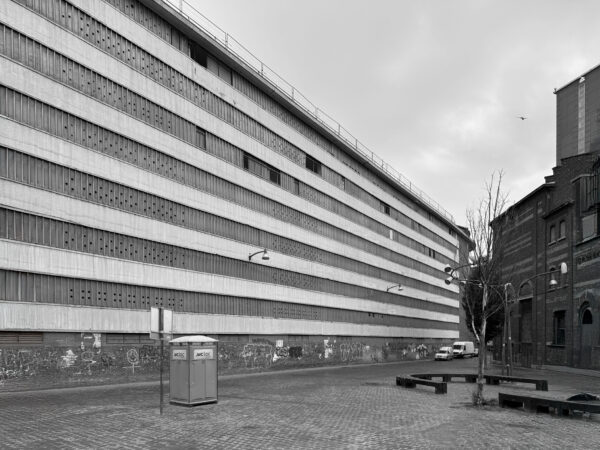
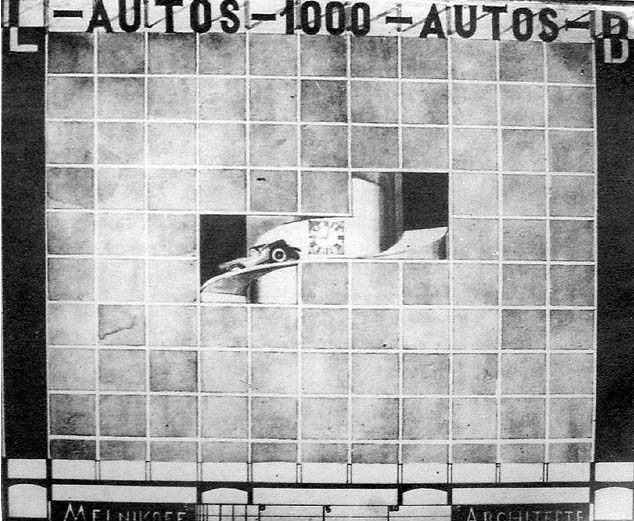
 Far from being mere containers for vehicles, parking structures have left a significant mark on modern architectural thinking. Consider the Lingotto factory in Turin: a 500-meter-long building with concrete-reinforced ramps and a rooftop racetrack, celebrated by Reyner Banham in A Concrete Atlantis and immortalized in The Italian Job. Or Louis Kahn’s visionary masterplan for Philadelphia, which integrated circular car parks with housing, hinting at a future where mobility and domesticity could be fused into new architectural hybrids. Parking garages are still being built today and must therefore be reimagined for a future in which cars will no longer be king.
RESEARCH













PRIMARY STRUCTURES


